Muralla de Las Palmas
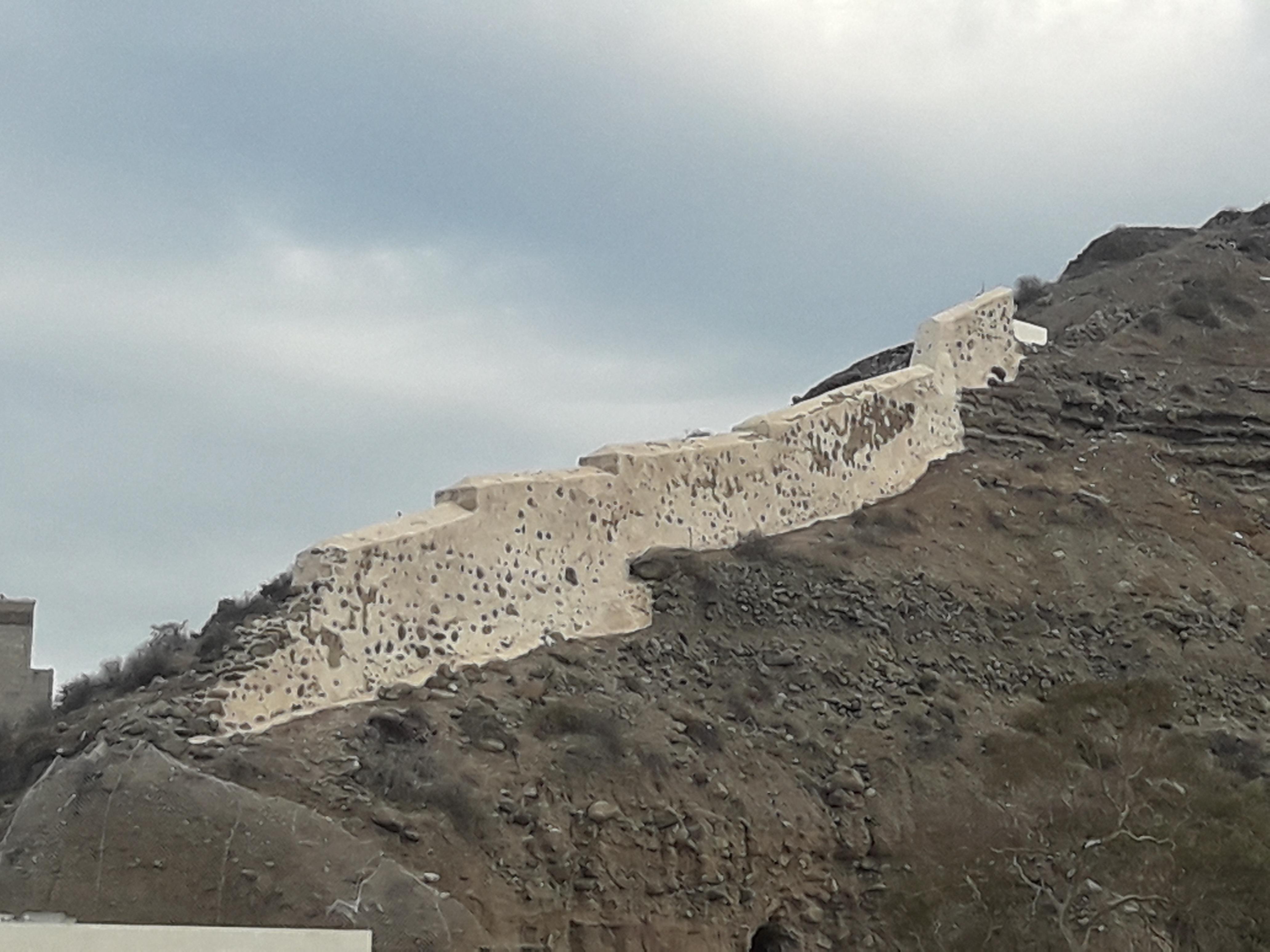
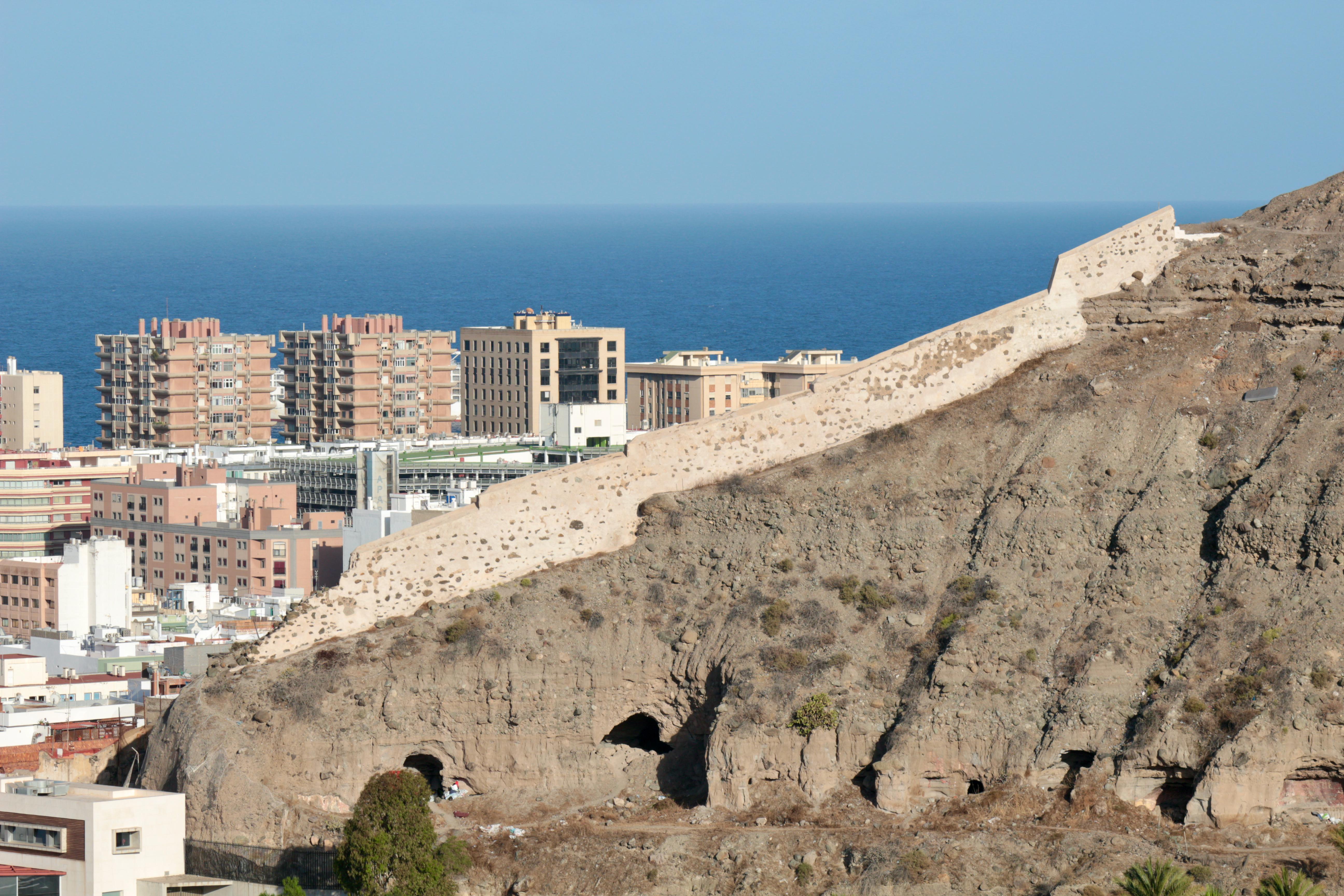
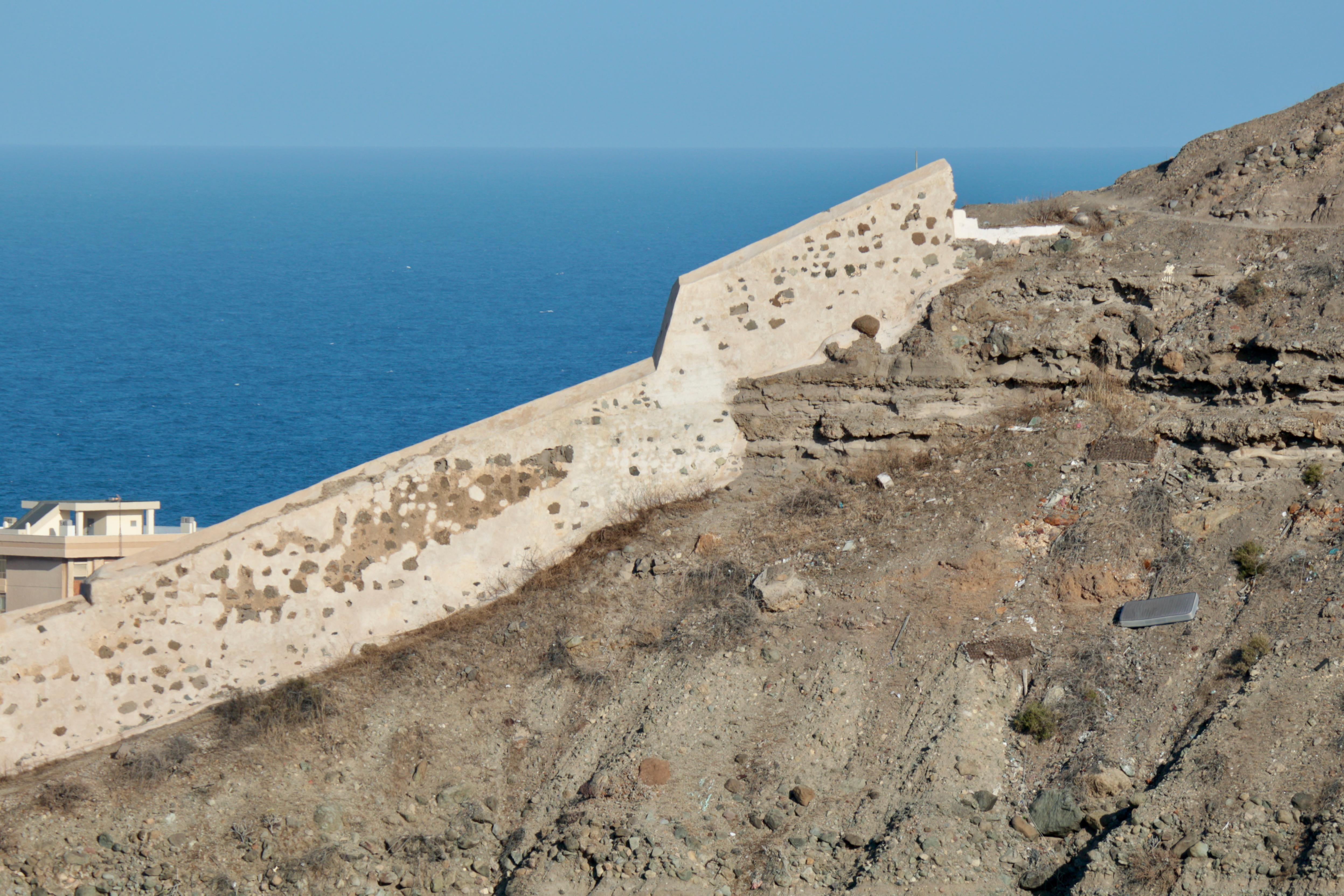
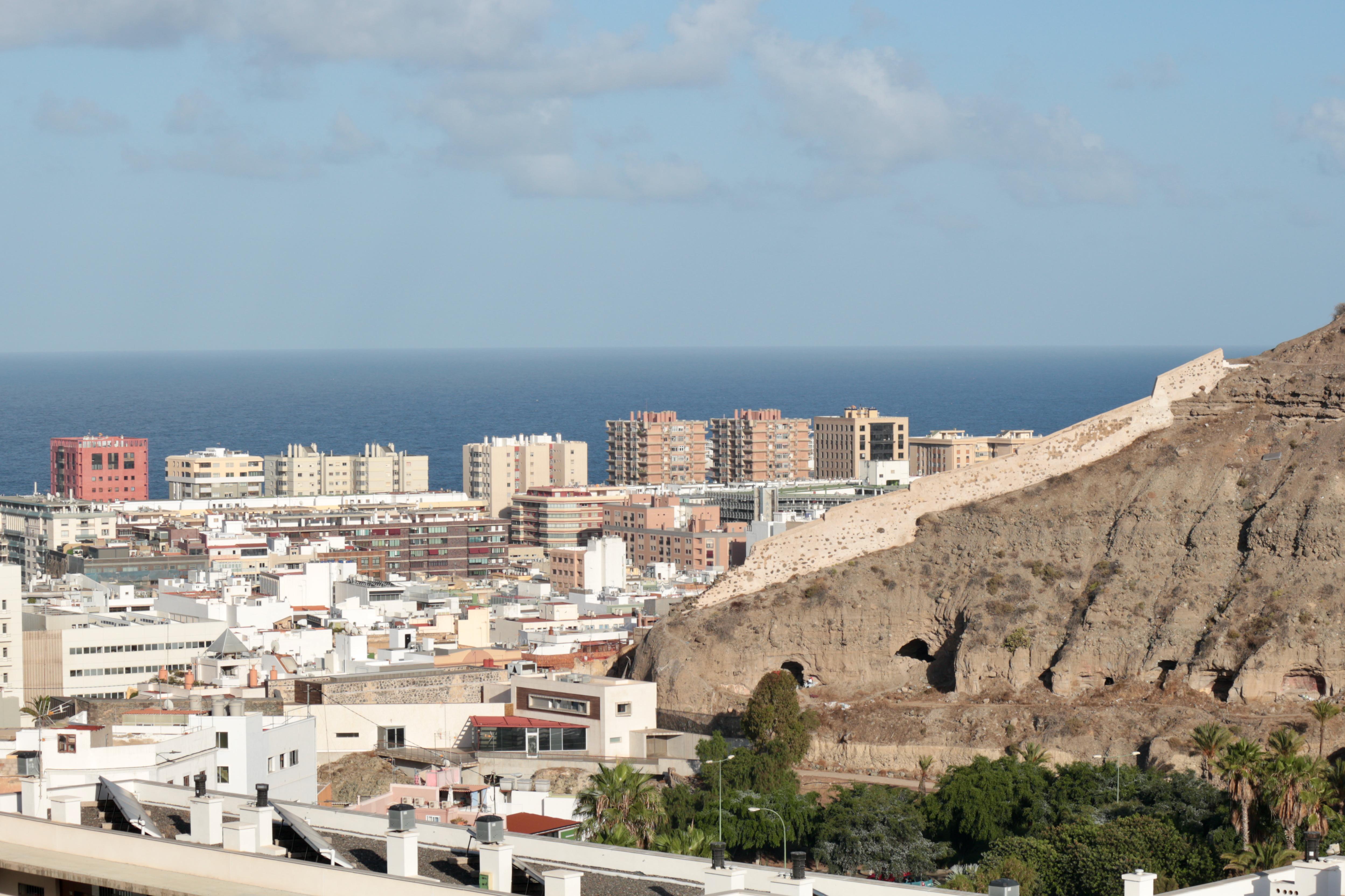
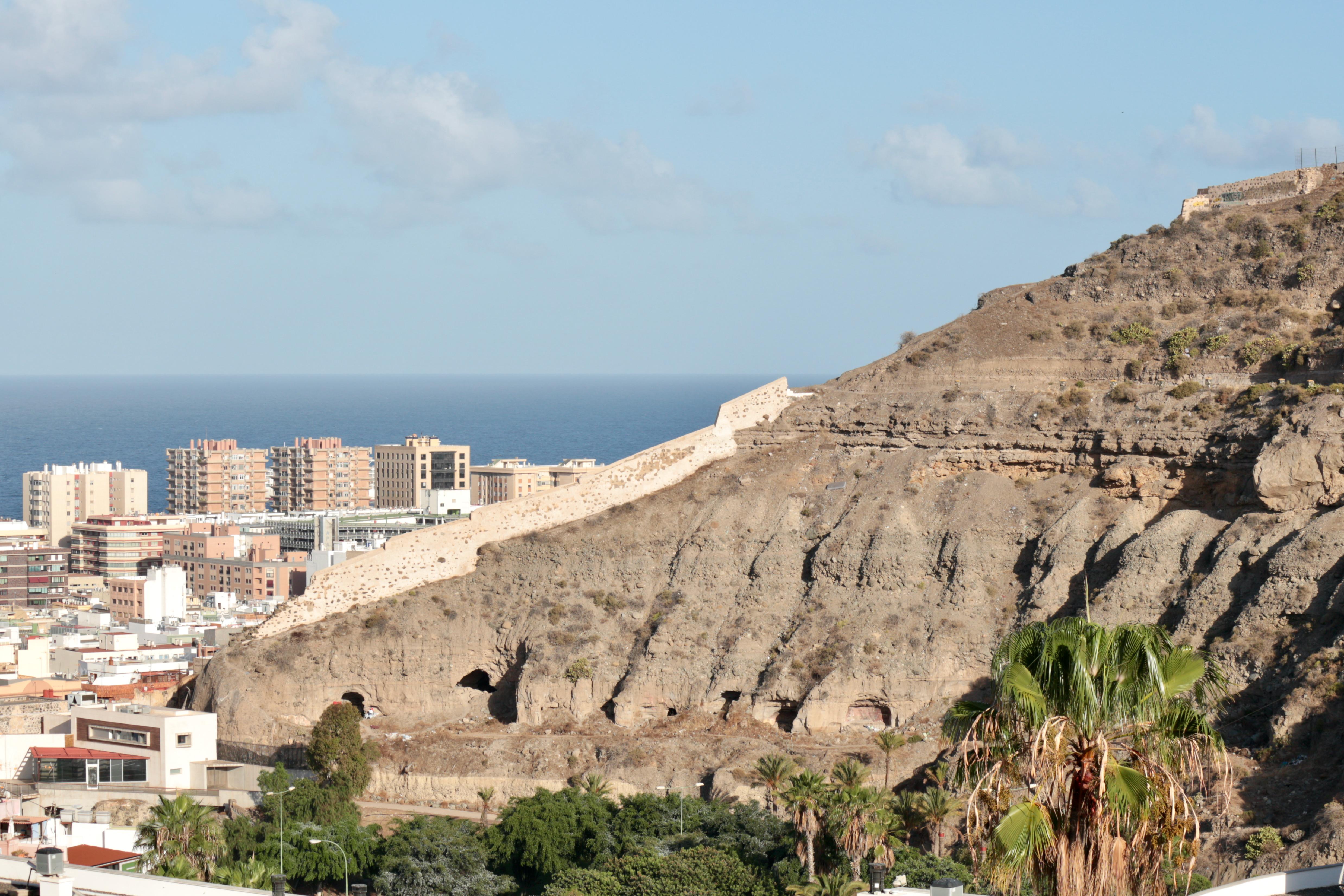
Muralla de Las Palmas stands beside Castillo de Mata, where low stone stretches follow the slope. The surviving northern wall shows smooth masonry built from stone and mortar. Its face widens gradually towards the base, creating an inclined slope beside the old city boundary. Along the top, a broad banqueta gave soldiers a platform for watching and defending the fortification.
Construction began in the sixteenth century, joining a defensive network connected with nearby castles. For centuries, the wall protected the port while enclosing historic quarters and settlements known as riscos. Work continued into the seventeenth century, before urban expansion along the Camino Nuevo made most of the defence disappear. The Cubelo de Santa Ana marked the northern end from 1554, but no trace of its tower survives.
Natural and excavated chambers called the Cuevas de Provecho remain at the foot of the stonework. Generations of poorer residents once lived in those caves, close to the garrisons and their supplies. The surviving slope and empty tower site leave a precise impression of a frontier between the city and countryside.
- City
- Las Palmas
- Content updated
Take this page with you
The myTuur app is free, and once you are standing at a spot its story starts by itself.


Spots like this one are the stops myTuur strings into tours through Las Palmas. In the app, each story begins where you stand: walk up to a spot and it starts, read it on screen or listen as you go, then follow the route to the next one.
What is myTuur?
myTuur is a free city-guide app. Its tours are built from spots, and each spot carries a story that starts when you get there, to read or to listen to as you like.