Georg Brandes
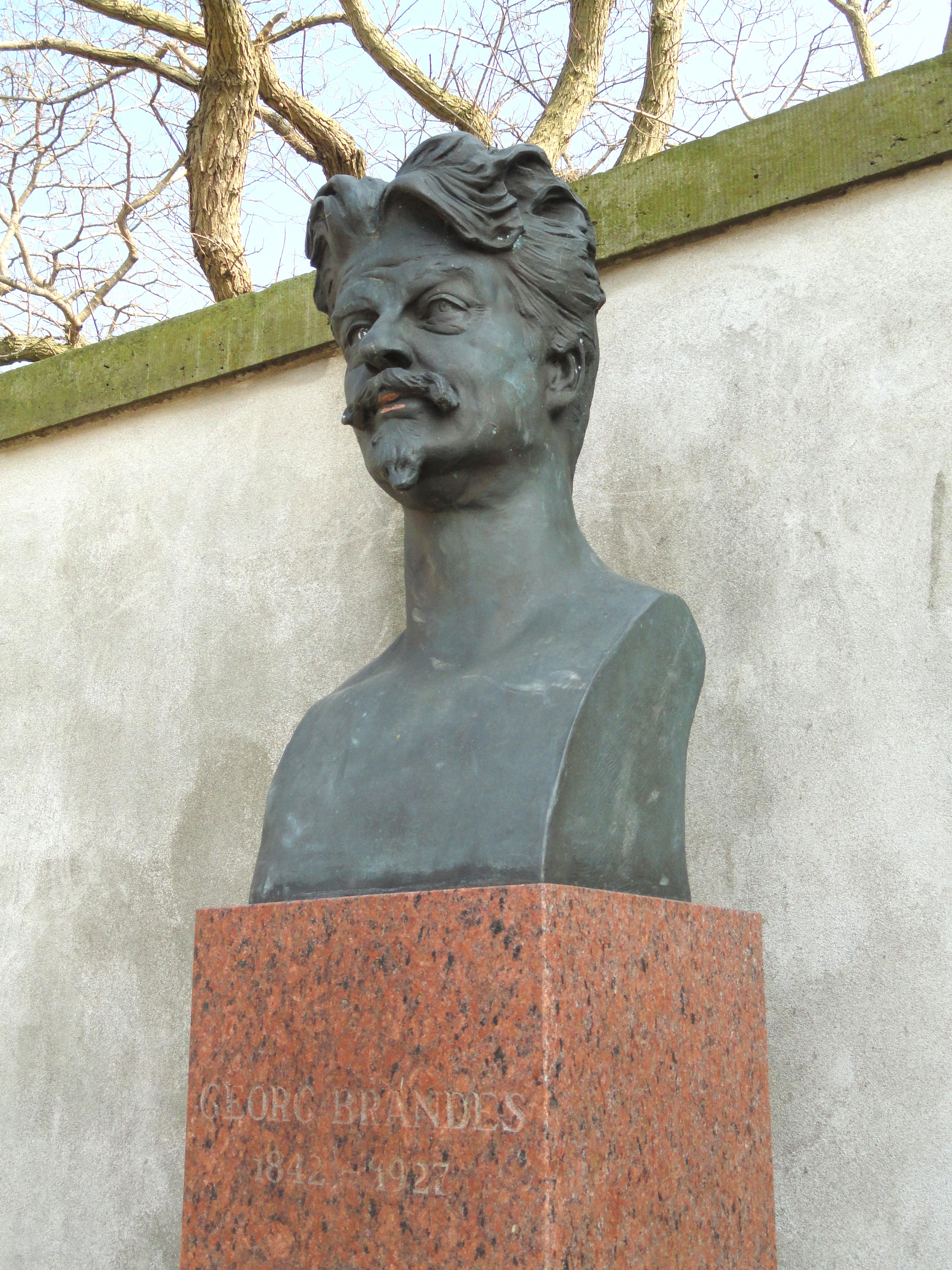
In Copenhagen, Georg Brandes is a sculptural portrait by Max Klinger, a German artist associated with Symbolism. The bust shows Georg Brandes, the Danish writer, critic and philosopher, in a thoughtful, analytical portrait. Its presence connects Copenhagen with the intellectual and artistic exchanges surrounding Brandes and his circle.
Brandes helped shape cultural radicalism during Denmark’s Modern Breakthrough in the late nineteenth century. That movement drew on rationalism and Enlightenment ideals, defending individual expression and freedom of opinion. It also challenged established authority, especially the church and the state. His writing favoured realism and naturalism, urging literature to face social issues and everyday life. Those ideas reached beyond Denmark and influenced European intellectual and cultural life.
Klinger’s portrait reflects the period’s links between sculpture, literature and philosophy. The German artist was friends with Brandes, showing how European thinkers and artists crossed cultural borders. Its form belongs to late nineteenth-century portrait sculpture, where likeness and character carried public memory. The bust preserves a visual record of the thoughtful critic behind those literary and social arguments.
- City
- Copenhagen
- Content updated
Take this page with you
The myTuur app is free, and once you are standing at a spot its story starts by itself.


Spots like this one are the stops myTuur strings into tours through Copenhagen. In the app, each story begins where you stand: walk up to a spot and it starts, read it on screen or listen as you go, then follow the route to the next one.
What is myTuur?
myTuur is a free city-guide app. Its tours are built from spots, and each spot carries a story that starts when you get there, to read or to listen to as you like.