Banqueting House
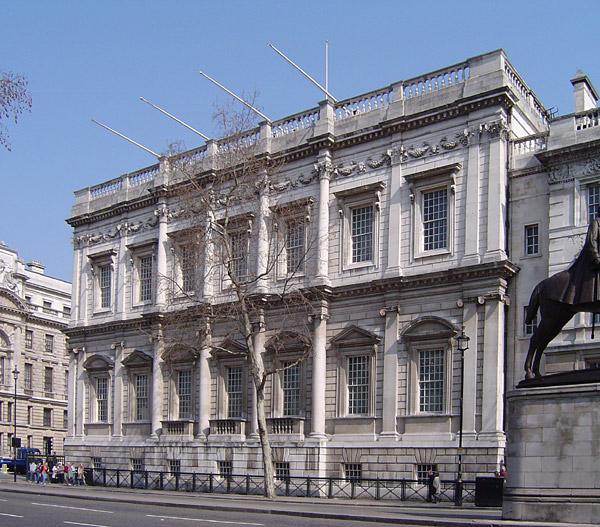
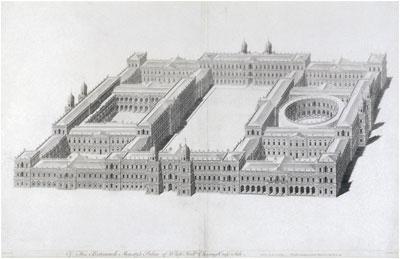
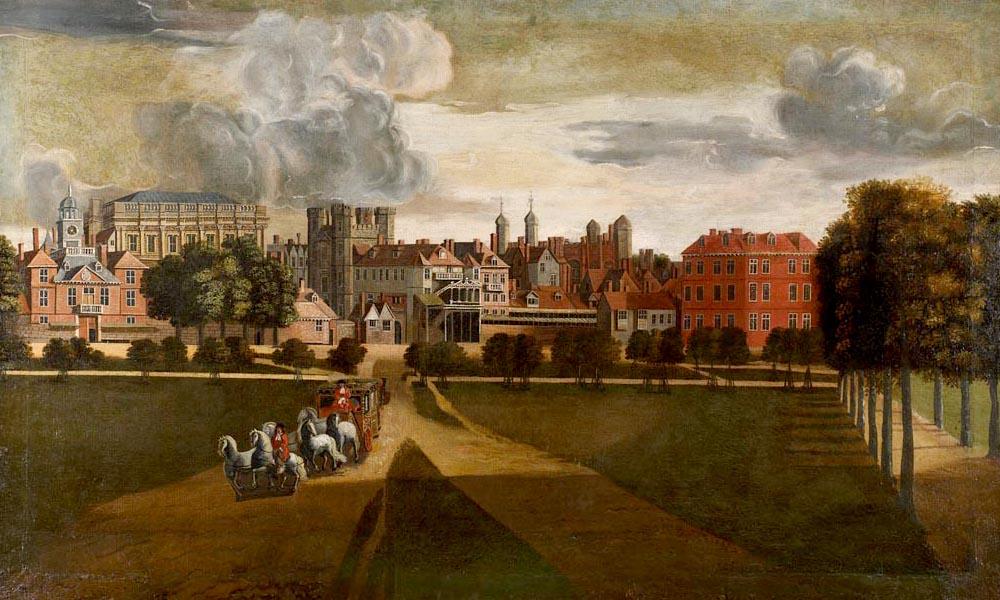
Banqueting House stands in the City of Westminster as the last surviving part of Whitehall Palace. The palace served as England’s main royal residence from 1530 until 1698. Classical architecture replaced the Tudor character of the earlier palace after a fire destroyed its first banqueting room. A later fire consumed most of Whitehall Palace, leaving this building standing.
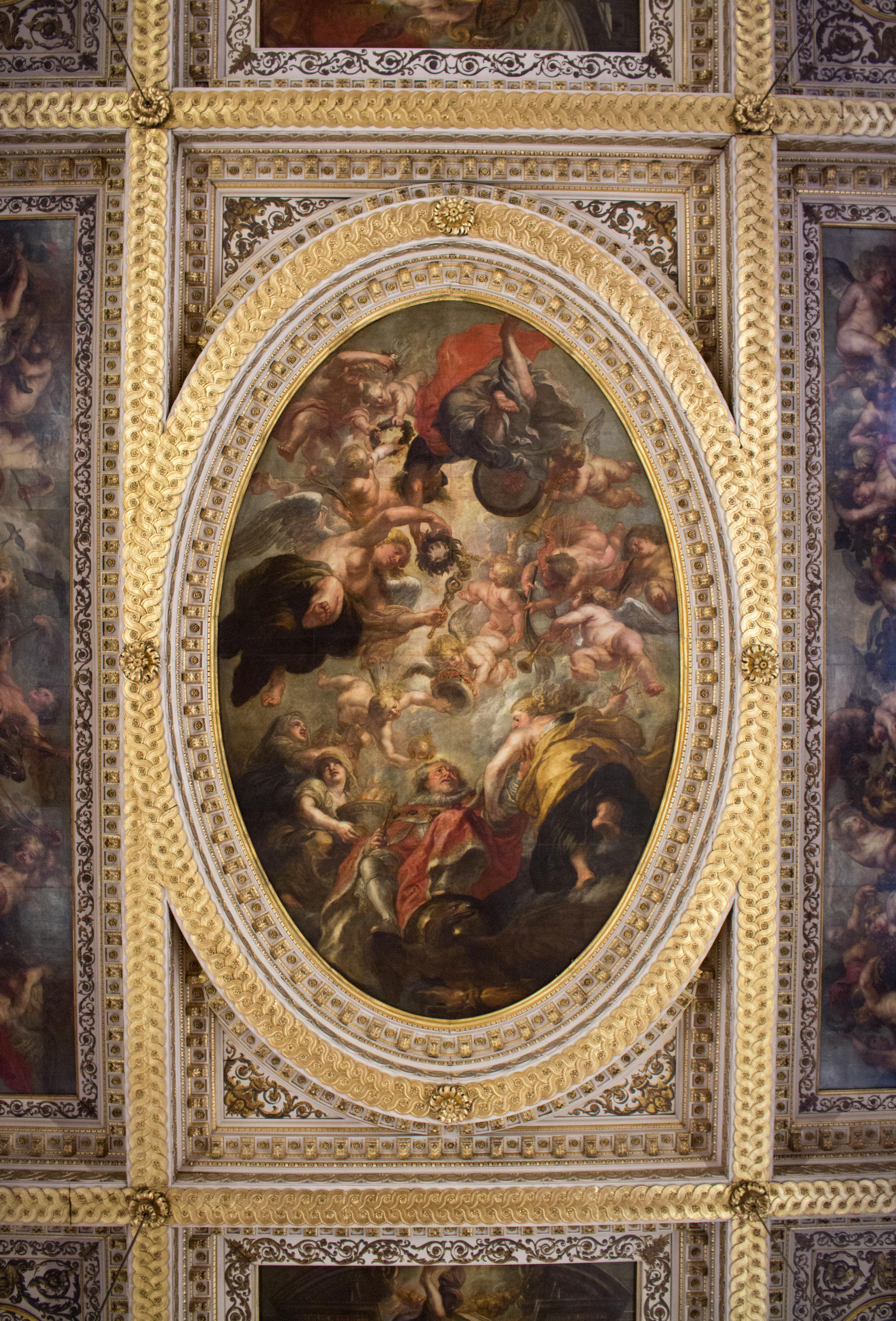
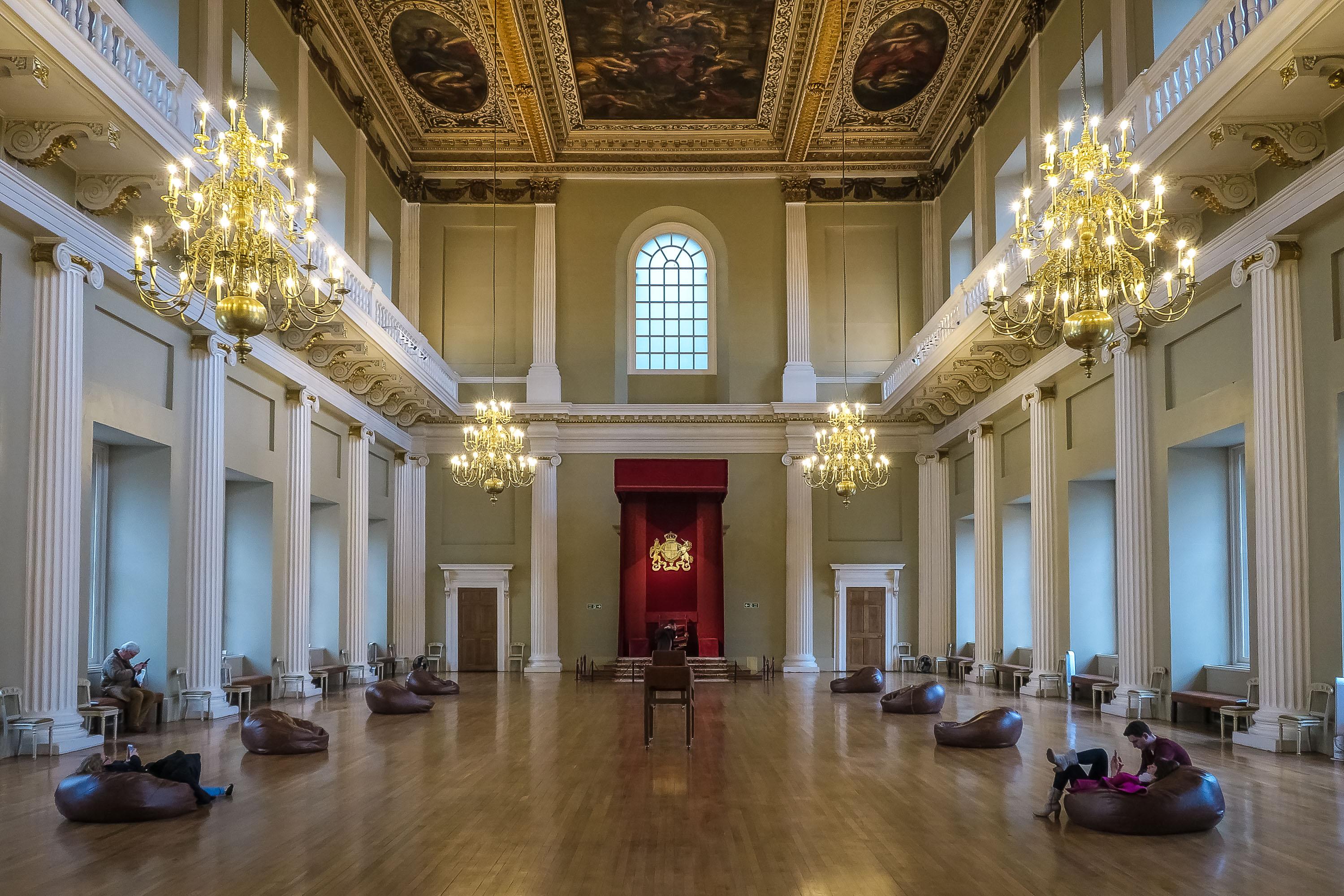
The main hall centres on a ceiling painted by Peter Paul Rubens for Charles I in 1636. Two canvases measure nine by six metres, while two others measure thirteen by three metres. The central painting shows James I, Charles’s father, among the royal imagery above. Mirrors on tables help you study the canvases, and beanbags offer a view while lying beneath them. The hall also contains a red throne, linking its grand interior to royal ceremonies.
Charles I was executed here on 30 January 1649 after his conviction for high treason. William of Orange and Mary Stuart accepted the crown here in 1689. Beneath the hall, the undercroft once hosted drinking and gambling, then later helped present the building’s history. Rubens’s ceiling remains the only painted ceiling by him still in its original location anywhere in the world.
- City
- City of Westminster
- Content updated
Take this page with you
The myTuur app is free, and once you are standing at a spot its story starts by itself.


Spots like this one are the stops myTuur strings into tours through City of Westminster. In the app, each story begins where you stand: walk up to a spot and it starts, read it on screen or listen as you go, then follow the route to the next one.
What is myTuur?
myTuur is a free city-guide app. Its tours are built from spots, and each spot carries a story that starts when you get there, to read or to listen to as you like.