Koopmans-de Wet House
Koopmans-de Wet House stands on Strand Street in Cape Town, one of the city’s oldest streets. This historic house museum preserves a former private residence with whitewashed walls, ornate gables, and Cape Dutch character. Inside, period furniture, silverware, and ceramics bring domestic life in the Cape Colony into view.
Reijnier Smedinga, a silversmith and goldsmith, built the house in 1701. Owners altered the property over time, while German carpenter Johan Fredrik Willem Böttiger expanded it during the eighteenth century. Pieter Malet later added the façade, whose design shows the craftsmanship of late-eighteenth-century Cape architecture. After Johan Koopmans died, Marie de Wet and her sister made the house a salon and supported Boer prisoners during the South African War. The building joined the South African Museum in 1913 and opened to the public the following year.
A preservation campaign secured the house and its contents for the nation, and South Africa declared it a National Monument in 1940. Strand Street once held prominent Cape Colony residents, including baker Thomas Christoffel Mulder and butcher Henning Huysing. The rooms now hold a direct, material link to the early residents’ household life.
- City
- Cape Town
- Content updated
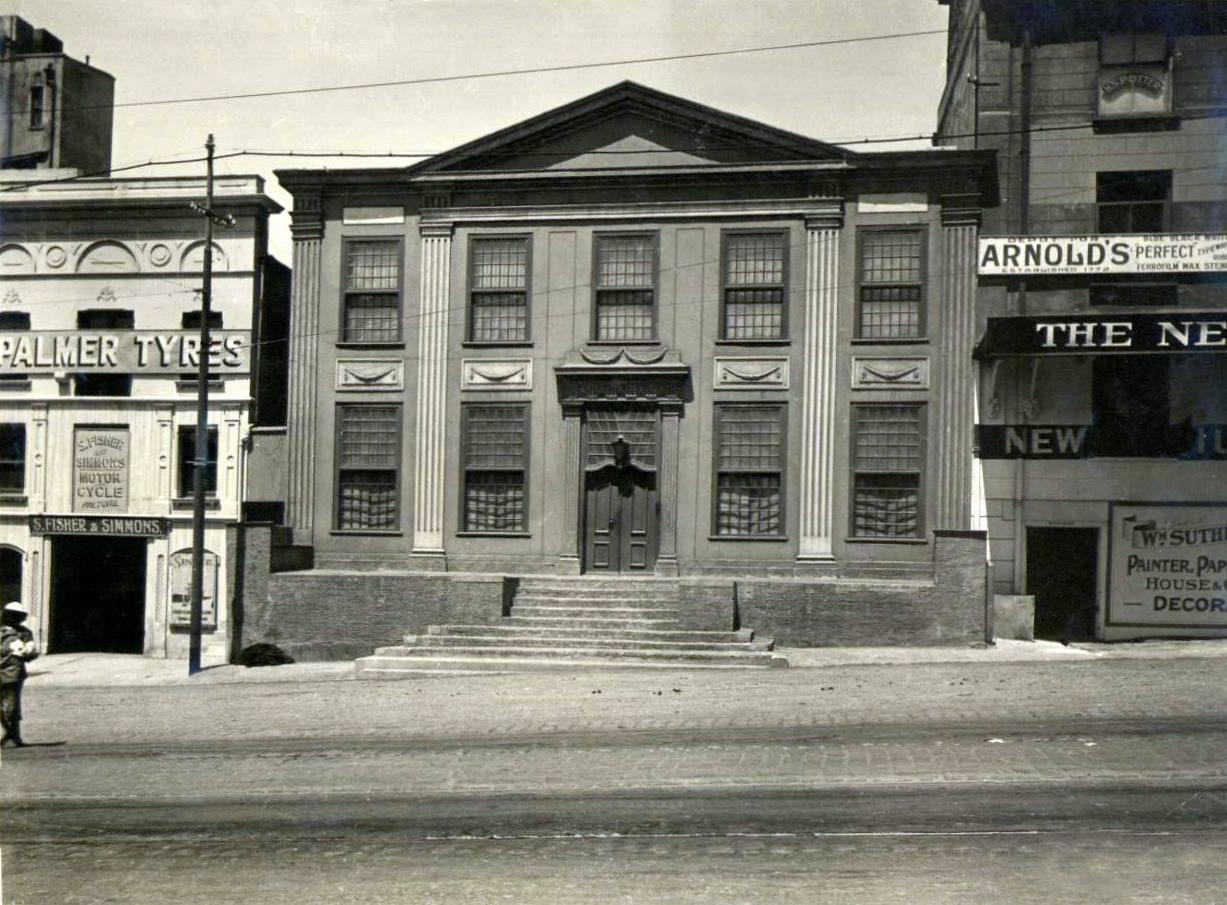
Image: Arthur Elliot (1870 – 20 November 1938)Public domain 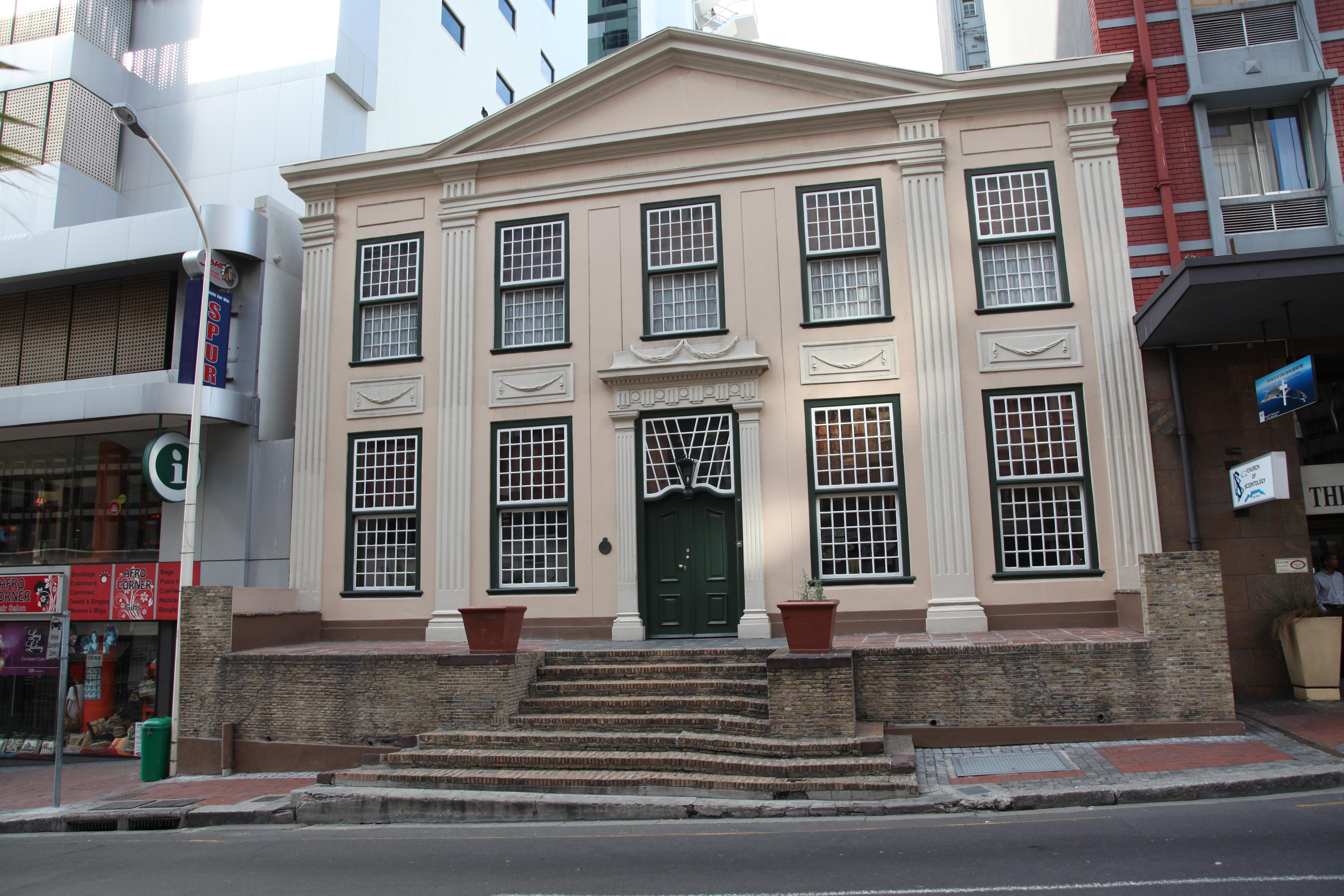
Image: Raymond.ellisCC0 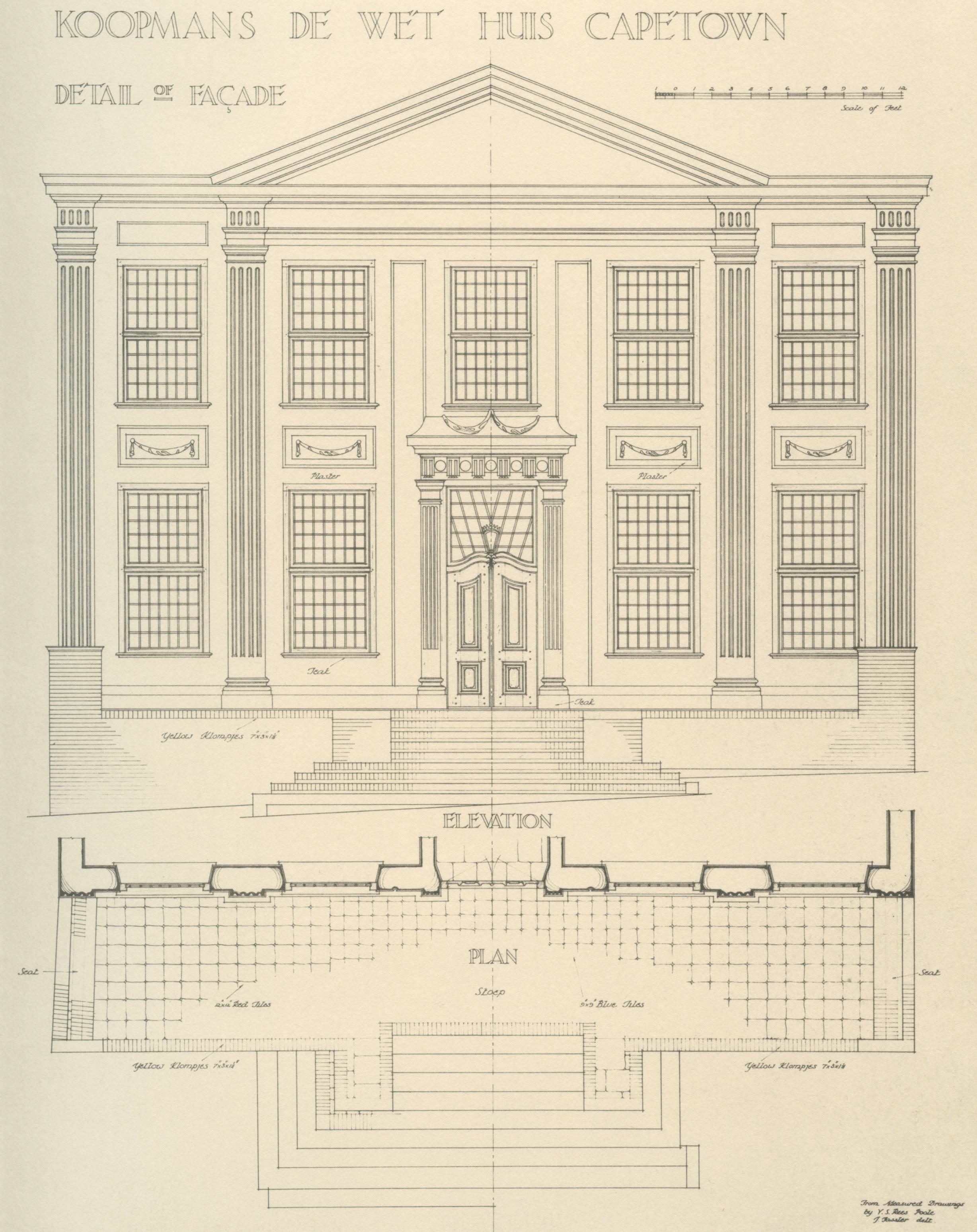
Image: G. E. PearsePublic domain 
Image: Cape TimesPublic domain 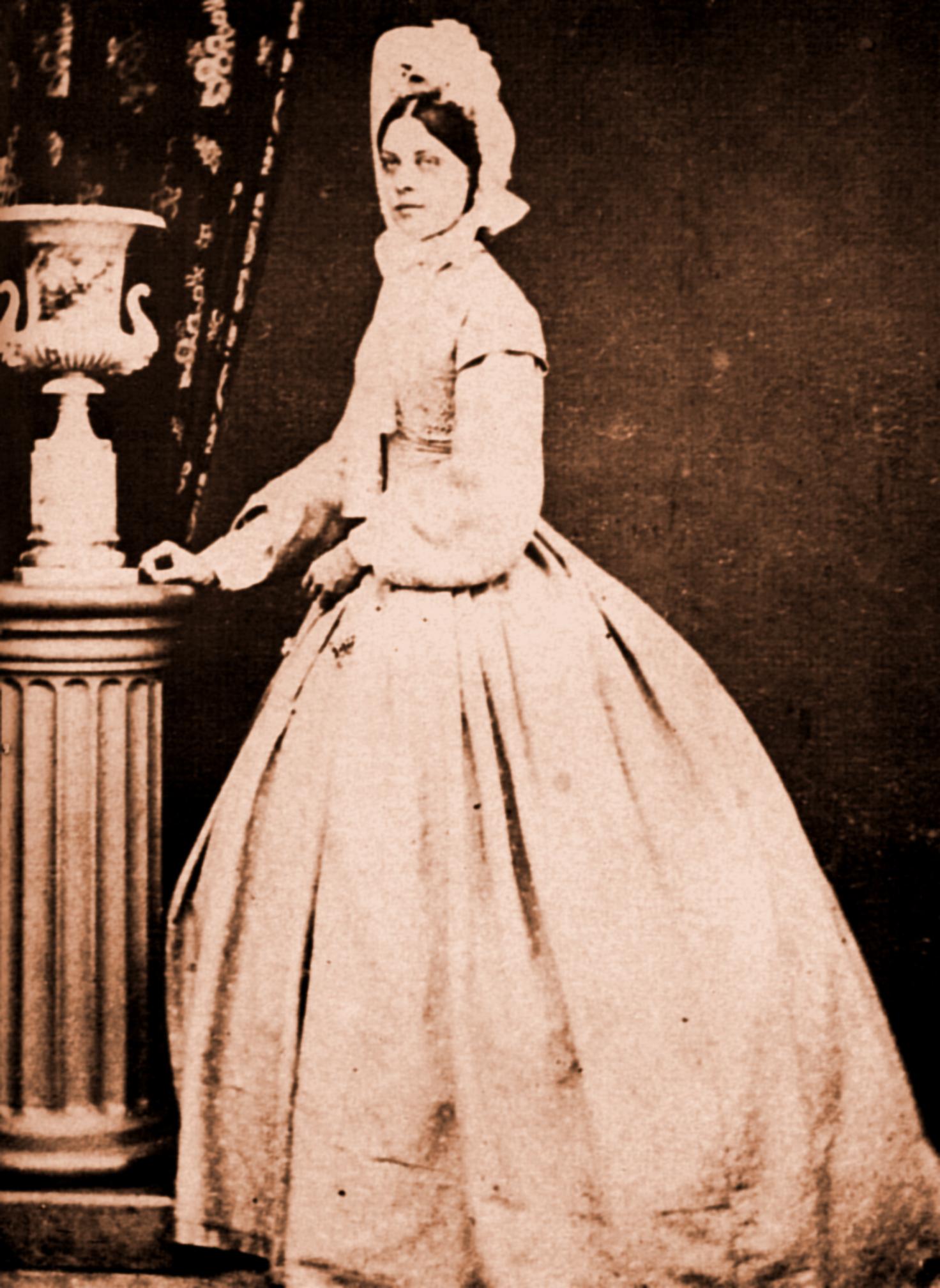
Image: Lawrence Bros. - Photographer, Cape TownPublic domain
Take this page with you
The myTuur app is free, and once you are standing at a spot its story starts by itself.


Spots like this one are the stops myTuur strings into tours through Cape Town. In the app, each story begins where you stand: walk up to a spot and it starts, read it on screen or listen as you go, then follow the route to the next one.
What is myTuur?
myTuur is a free city-guide app. Its tours are built from spots, and each spot carries a story that starts when you get there, to read or to listen to as you like.