Geißenklösterle
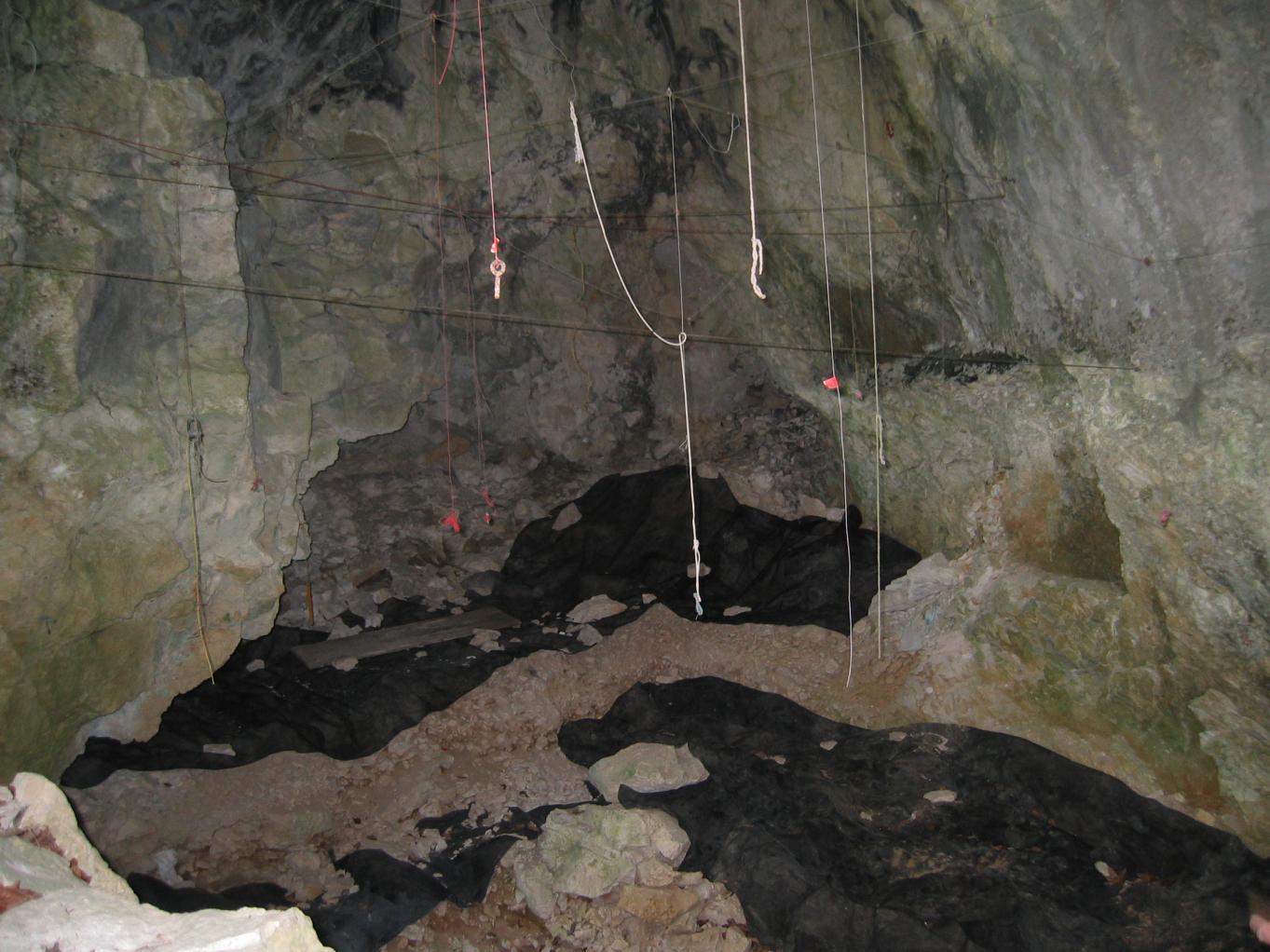
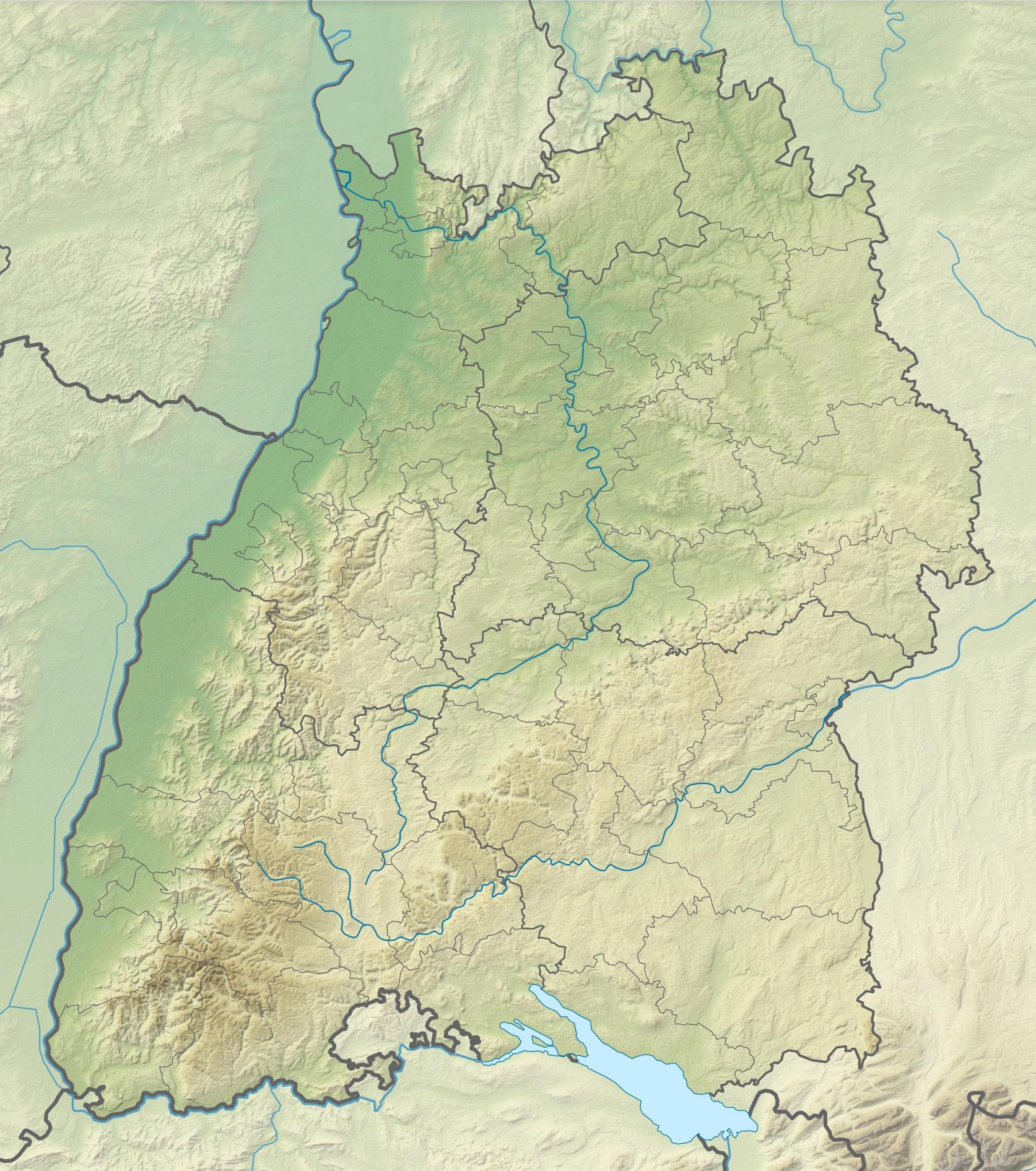
Geißenklösterle is an archaeological cave in the Swabian Jura near Blaubeuren, southern Germany. Shallow rock shelters the site, where Ice Age people lived, worked, and possibly held rituals.
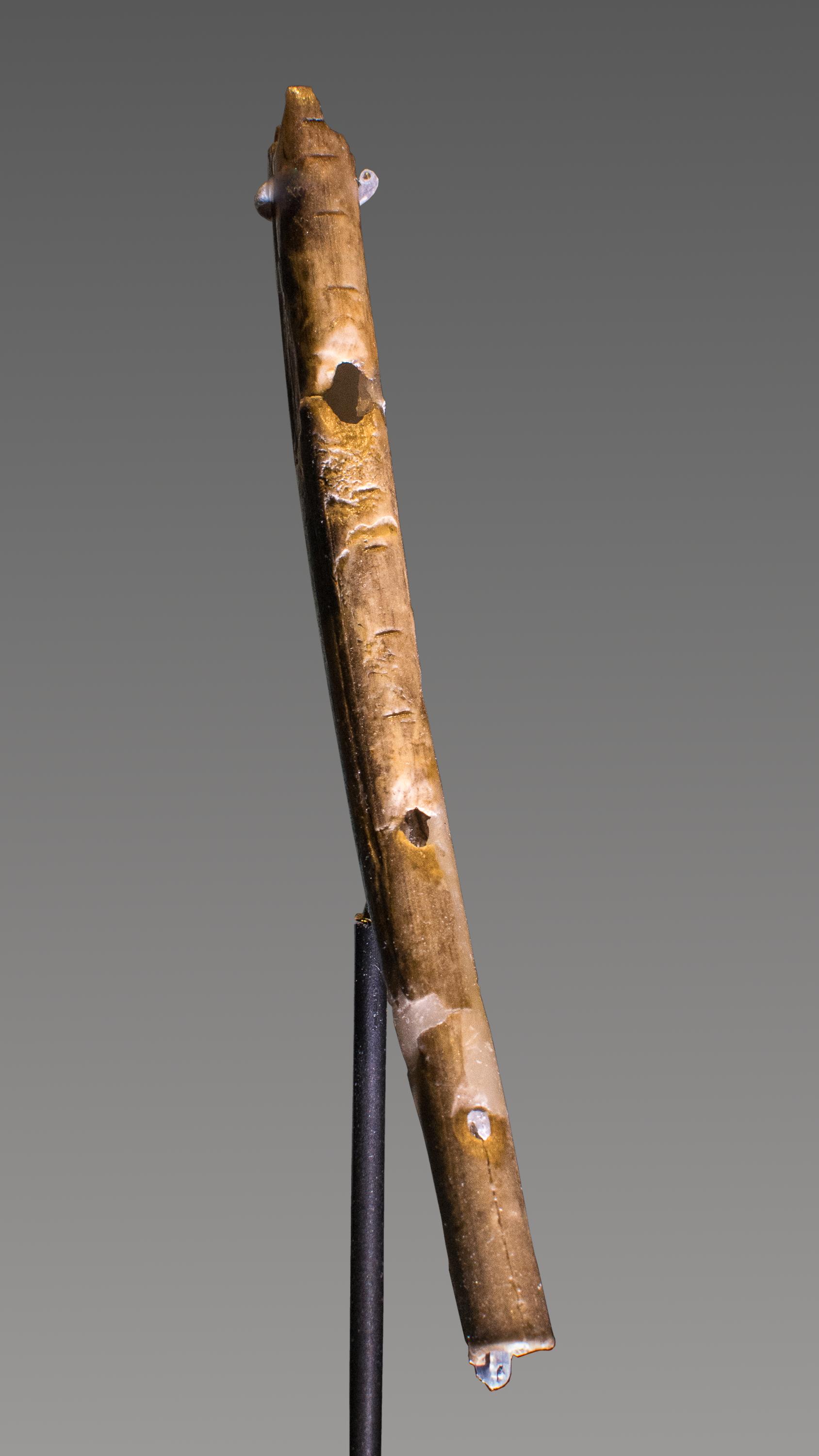
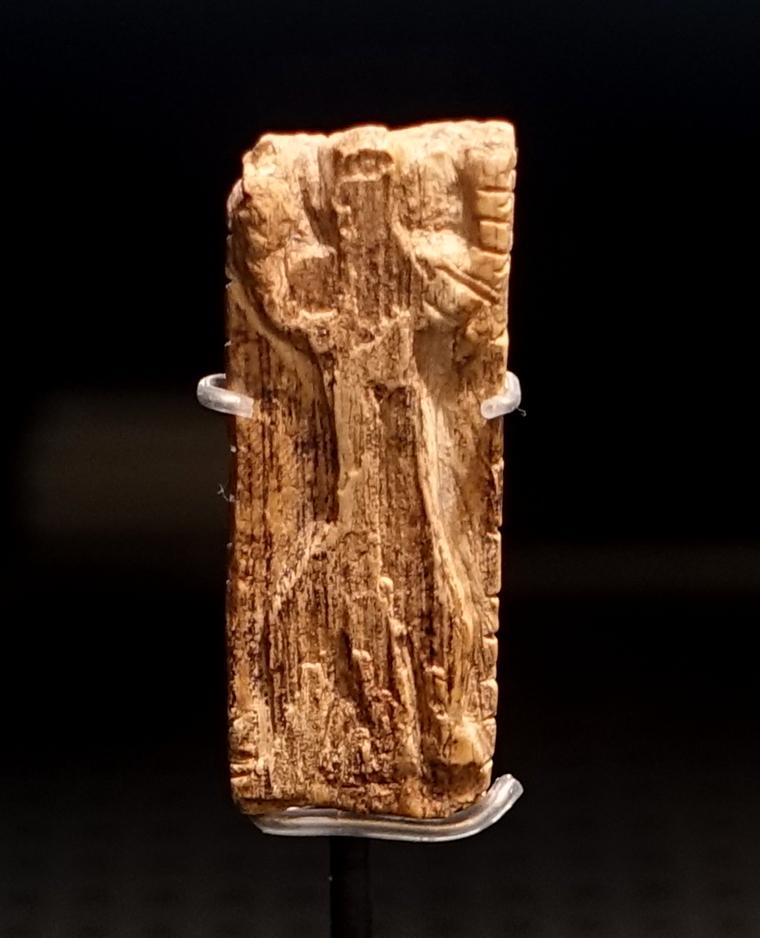
Sediment layers span the Middle Paleolithic to the Middle Ages, with Aurignacian deposits dating roughly 43,000 to 32,000 years ago. Stone tools, bone and antler objects, mammoth ivory, ornaments, and small animal figurines reveal varied activity. Two flutes, carved from bird bone and mammoth ivory, rank among the oldest known musical instruments and date to around 42,000 to 43,000 years ago. The Adorant, an ivory relief with raised arms and rows of notches, adds a striking human figure whose meaning remains debated. The cave forms part of the UNESCO World Heritage Site Caves and Ice Age Art in the Swabian Jura, designated in 2017.
A protective gate lets you view the rear section, while the original mammoth ivory flute is displayed at the Prehistoric Museum in Blaubeuren.
- City
- Blaubeuren
- Content updated
Take this page with you
The myTuur app is free, and once you are standing at a spot its story starts by itself.


Spots like this one are the stops myTuur strings into tours through Blaubeuren. In the app, each story begins where you stand: walk up to a spot and it starts, read it on screen or listen as you go, then follow the route to the next one.
What is myTuur?
myTuur is a free city-guide app. Its tours are built from spots, and each spot carries a story that starts when you get there, to read or to listen to as you like.