Grachtengordel van Amsterdam
Grachtengordel van Amsterdam forms a canal neighbourhood in Amsterdam’s Centrum district, where four waterways curve towards the Amstel. Singel, Herengracht, Keizersgracht and Prinsengracht frame streets lined with bridges, monuments and gabled canal houses.
Amsterdam built the network through a four-stage expansion between 1585 and 1665, beginning the main canal works in 1613. Engineers drained marshland, dug concentric canals and filled the spaces between them to create new ground for houses and streets. Nieuwe Herengracht, Nieuwe Keizersgracht and Nieuwe Prinsengracht later extended the crescent towards the Amstel. Many buildings date from the Dutch Golden Age, while later restoration has left a varied mix of architectural styles. The Anne Frank House stands on Prinsengracht, alongside museums including Het Grachtenhuis, Museum Van Loon and Foam Fotografiemuseum Amsterdam.
UNESCO added the canal district to its World Heritage List in 2010, recognising its urban planning and hydraulic engineering. The area remains a living neighbourhood, with people working and living beside historic waterways shaped by maritime trade.
- City
- Amsterdam
- Content updated
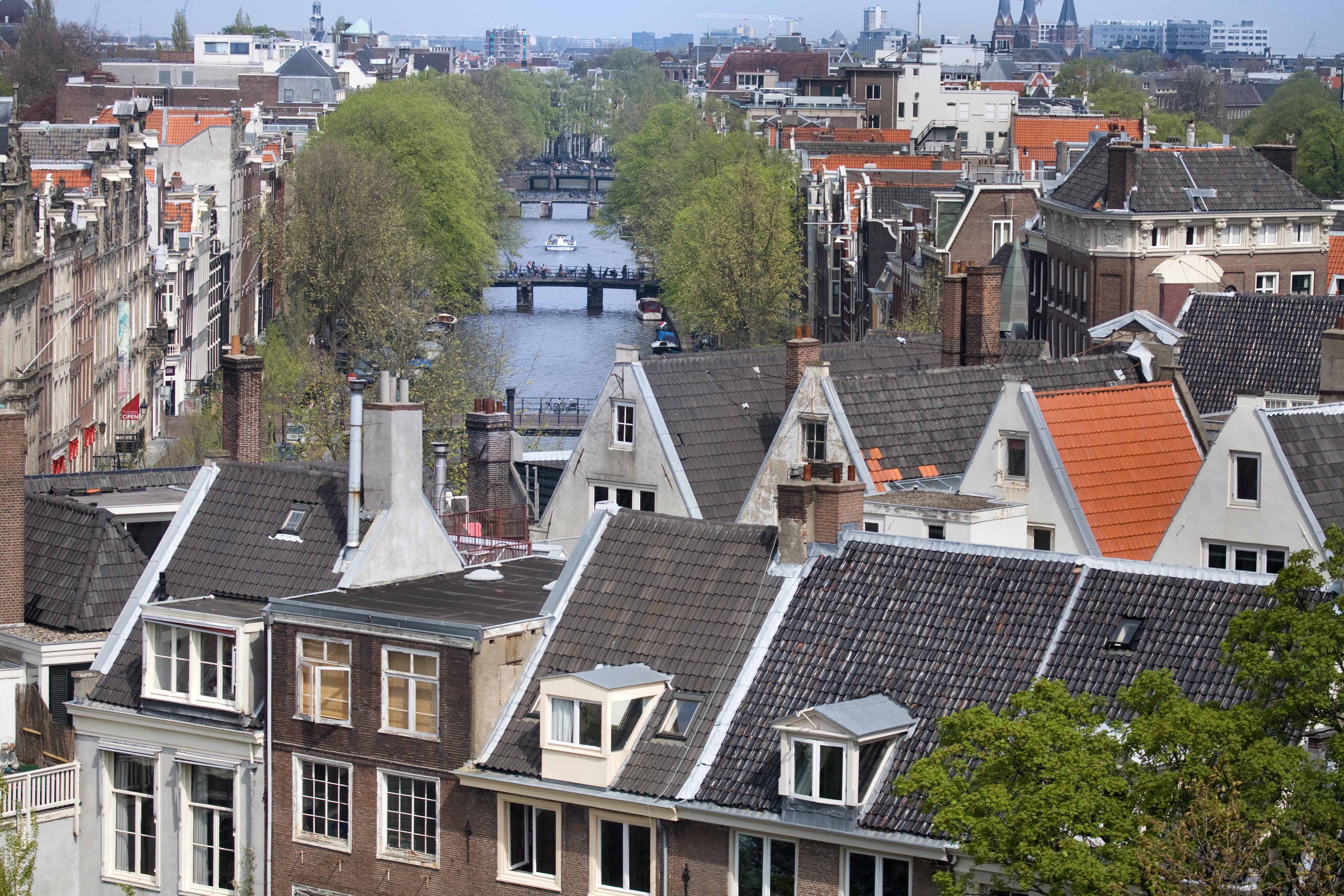
Image: Jorge RoyanCC BY-SA 3.0 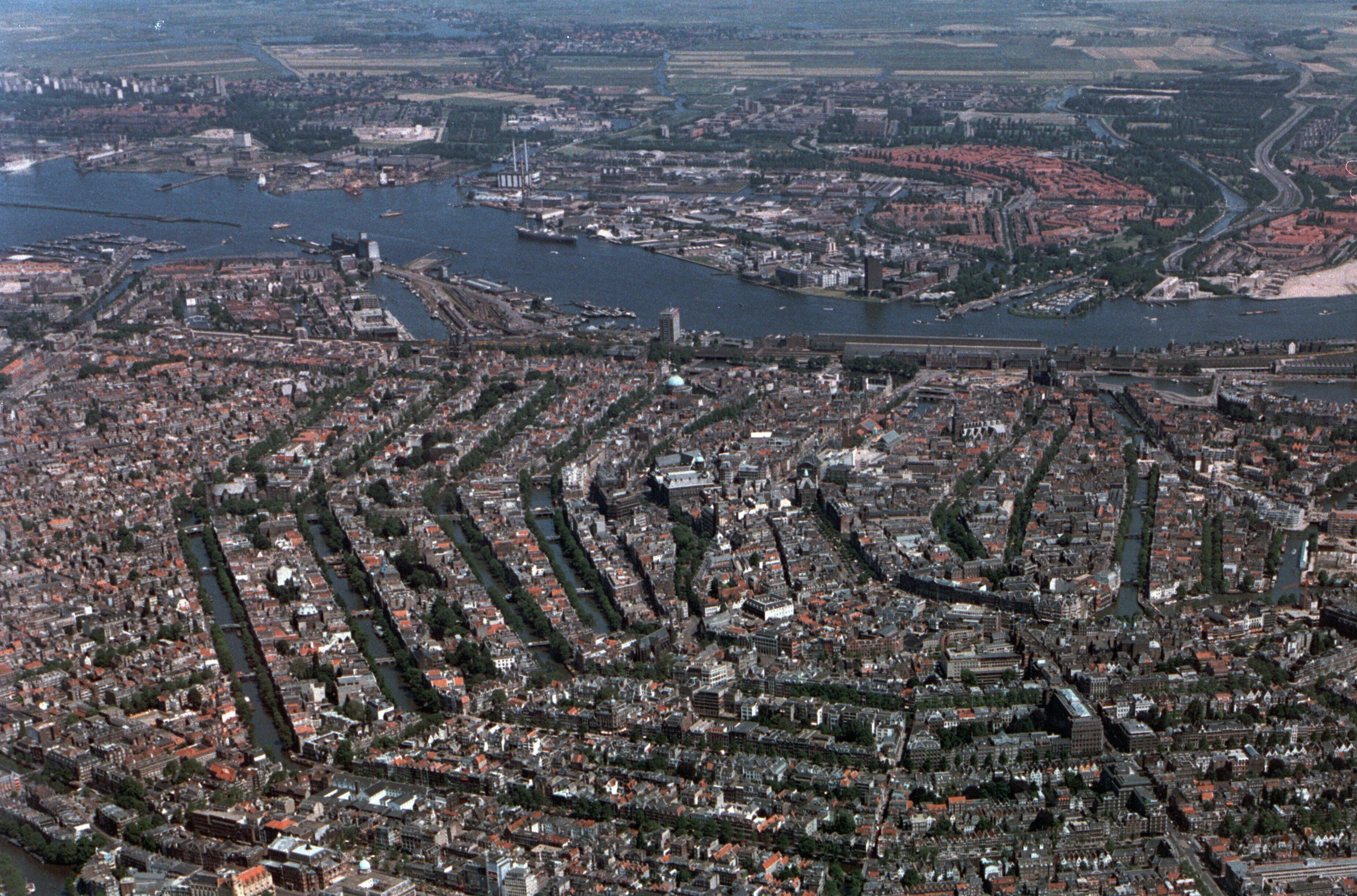
Image: Amsterdam Municipal Department for the Preservation and Restoration of Historic Buildings and Sites (bMA). The author is BMZ (Bureau Monumentenzorg). Original uploader was Siebrand at nl.wikipedia, Later version(s) were uploaded by Eriksw at nl.wikipedia.Attribution 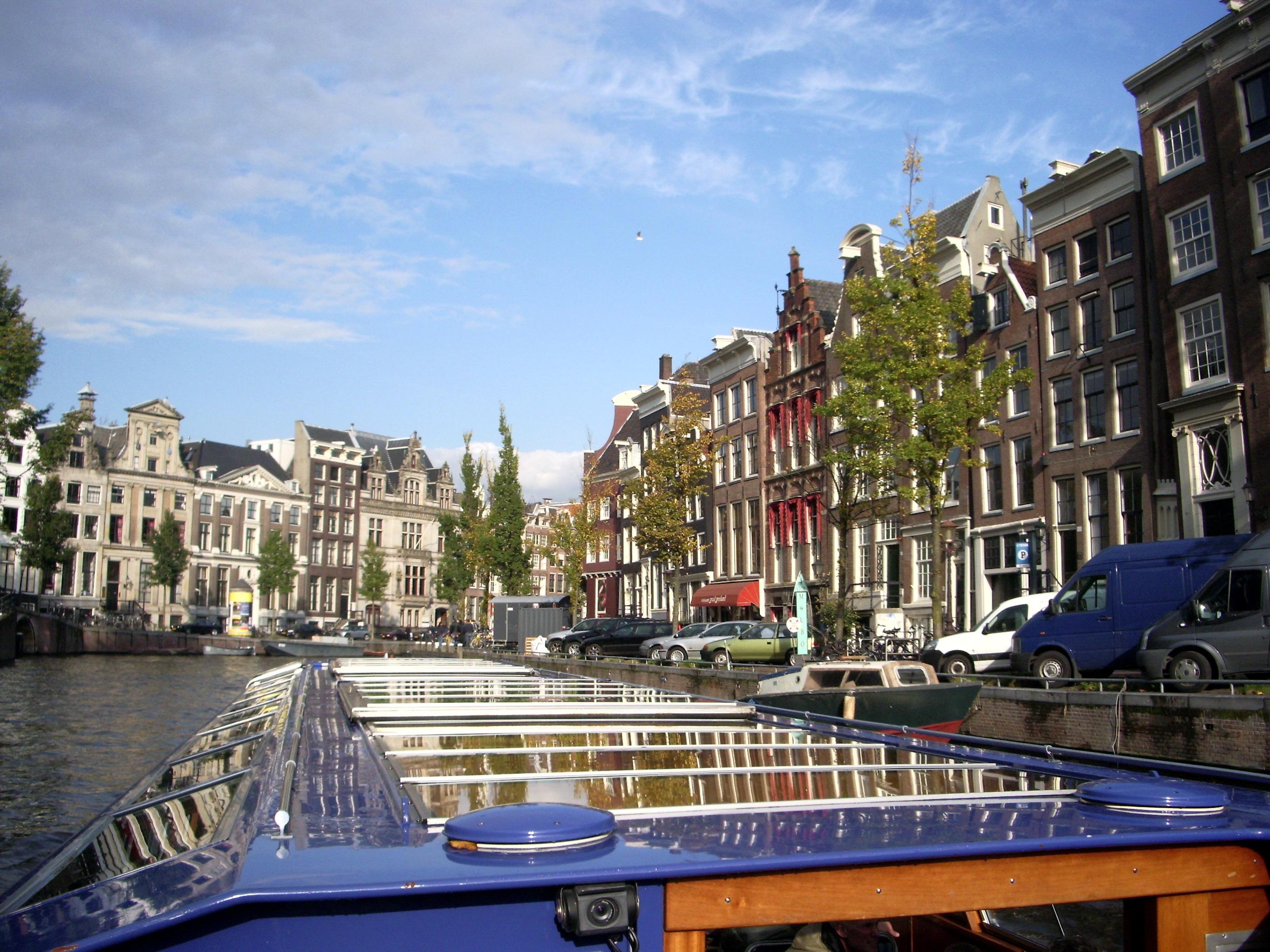
Image: Santi GarciaCC BY 3.0 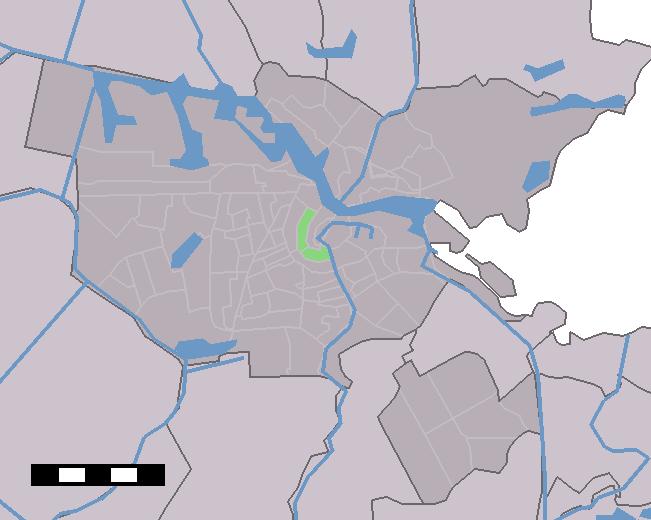
Image: Centraal Bureau voor de StatistiekPublic domain 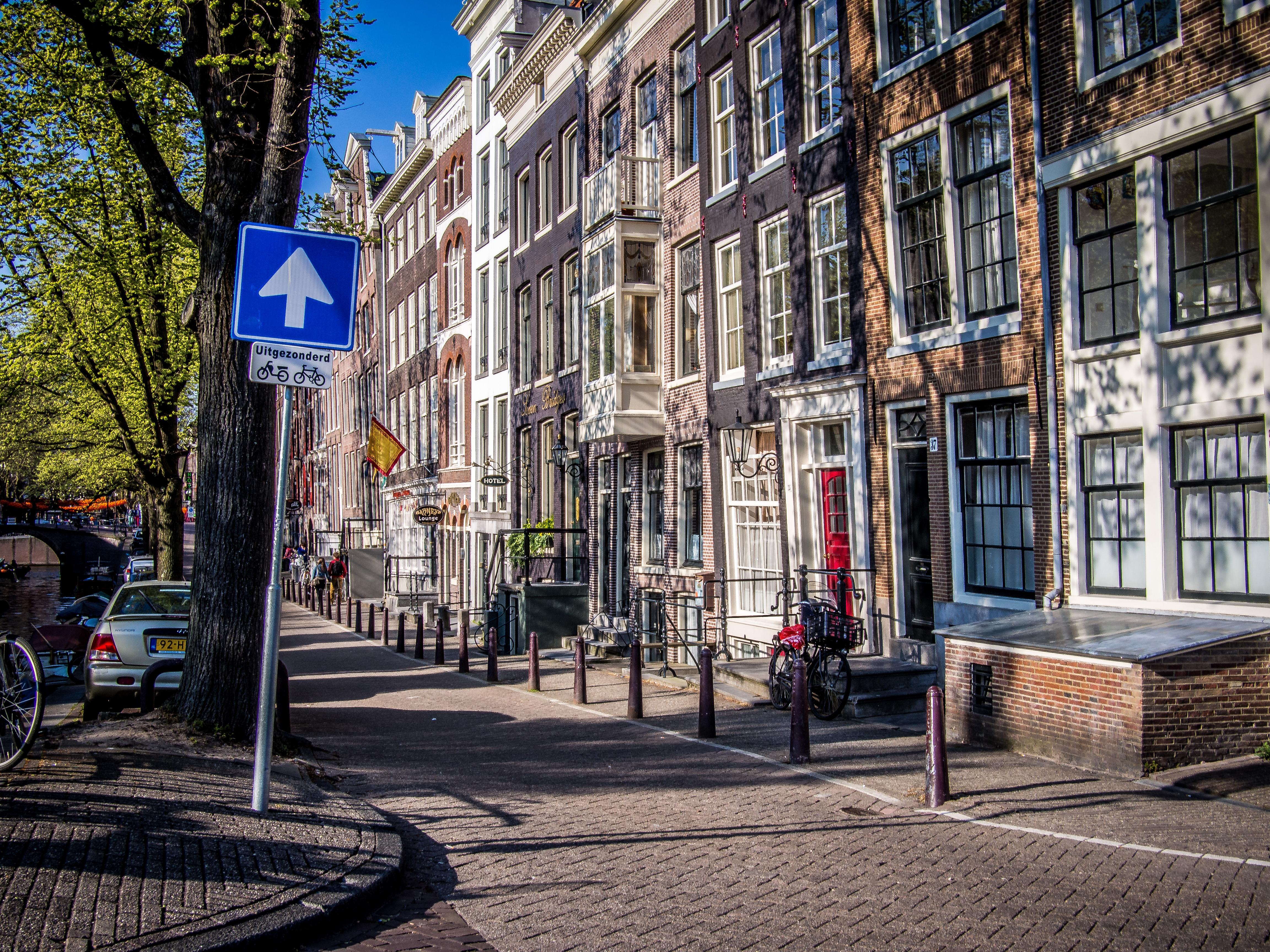
Image: Sergey Galyonkin from Berlin, GermanyCC BY-SA 2.0
Take this page with you
The myTuur app is free, and once you are standing at a spot its story starts by itself.


Spots like this one are the stops myTuur strings into tours through Amsterdam. In the app, each story begins where you stand: walk up to a spot and it starts, read it on screen or listen as you go, then follow the route to the next one.
What is myTuur?
myTuur is a free city-guide app. Its tours are built from spots, and each spot carries a story that starts when you get there, to read or to listen to as you like.